Flat Illustration Physical: A Versatile Vector Toolkit
When you're building a landing page, designing a social media campaign, or putting together a pitch deck, the gap between a good idea and a polished result often comes down to your design assets. You know the feeling: you have the copy, you have the concept, but the visuals feel generic or disconnected from your message. That's where a cohesive, high-quality illustration set changes everything. The Flat Illustration Physical vector design template is built precisely for this moment—a multipurpose collection that brings personality and professionalism to projects without the weeks of custom illustration work.
What Makes This Illustration Style Work So Well
Flat illustration has dominated modern visual design for over a decade now, and for good reason. The style strips away unnecessary detail—gradients, shadows, textures—and focuses on clean shapes, bold color blocks, and simplified forms. It communicates ideas quickly. A reader glances at a flat illustration on your homepage and immediately understands the scene without parsing through visual noise. That clarity is what makes it so effective in web design, editorial design, and packaging design.
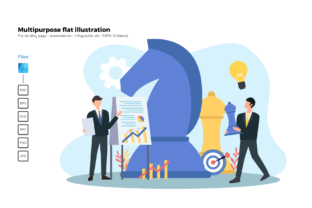
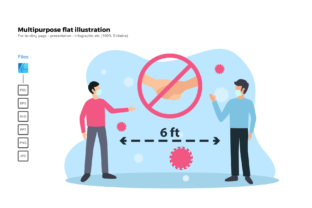
The "Physical" aspect of this particular set grounds the illustrations in tangible, real-world objects and human figures. You'll find scenes depicting people working, collaborating, creating, and interacting with everyday items. This gives the collection a grounded, relatable quality that abstract geometric illustrations sometimes lack. The characters have a friendly, approachable personality—neither overly corporate nor cartoonishly casual. They sit in that sweet spot where a small business owner, a blogger, or a startup founder can use them without the visuals feeling mismatched to their audience.
The color themes included are carefully curated. Rather than throwing random palettes at you, the designers have built harmonious combinations that feel intentional. And because every element is 100% vector, you can adjust those colors in minutes. If your brand identity uses a specific teal and charcoal, you simply swap the fills. No rebuilding, no pixelation, no compromise.
Where These Illustrations Actually Shine
Let me walk you through real scenarios where this kind of asset earns its place in your toolkit.
Landing pages and websites. A hero section with a well-placed flat illustration instantly signals modernity and approachability. Instead of relying on the same stock photography everyone else uses, custom-colored vector illustrations make your page feel original. They work especially well for SaaS products, coaching businesses, online courses, and service-based brands where you need to visualize abstract concepts like "growth," "collaboration," or "creativity."
Presentations and pitch decks. If you've ever sat through a slide deck filled with bullet points and clip art, you understand why visual storytelling matters. Dropping a relevant Flat Illustration Physical scene onto a slide gives your audience something to connect with. It breaks up text-heavy sections and reinforces your talking points visually. The included PPTX format makes this especially straightforward—you can open the file, adjust colors to match your presentation theme, and export.
Social media graphics. Platforms reward consistency. When your Instagram posts, LinkedIn banners, and Twitter headers all share a cohesive visual language built from the same illustration set, your feed starts to look intentional rather than haphazard. The PNG and JPG exports are ready for direct upload, while the SVG files give you flexibility if you prefer building graphics in your own layout tool.
Blog headers and content marketing. Content creators and publishers often struggle with finding visuals that aren't overused. These vector illustrations, once recolored to your specifications, become essentially unique to your brand. A blogger writing about entrepreneurship can use these across dozens of posts, varying the specific scene while maintaining a recognizable style.
Print materials. Brochures, flyers, business cards, and proposal documents all benefit from polished illustration work. The EPS and PDF formats ensure clean output at any resolution, which matters when you're sending files to a print shop.
Working With the Files: Practical Considerations
The package includes AD, PSD, EPS, PPTX, SVG, PNG, JPG, and PDF formats. That range covers virtually every design tool on the market. If you work in Affinity Designer, the native AD file is your starting point. Photoshop users get layered PSD files. For those working in Illustrator, Figma, or other vector editors, the EPS and SVG formats import cleanly.
A few practical tips from experience:
- Start with the vector formats. Even if you ultimately need a PNG, build your customizations in vector first. This gives you the flexibility to resize, recolor, and adjust without quality loss.
- Test color changes against your existing brand palette. Pick two or three illustrations, recolor them, and place them next to your logo and typography. Do they feel like they belong together? Good illustration work should integrate with your brand identity, not compete with it.
- Don't overuse them. One strong illustration on a landing page outperforms five scattered ones. Give each visual space to breathe. Let it support your message rather than distract from it.
- Consider your audience's expectations. A law firm might use these sparingly and in muted tones. A creative agency might go bold and bright. The same assets can serve completely different brand personalities depending on how you deploy them.
For entrepreneurs and small business owners who aren't full-time designers, the documentation included in the package is genuinely useful. It walks you through the file structure and explains which format to use for which purpose. That kind of guidance saves hours of trial and error.
Making It Part of Your Design Workflow
The real value of a multipurpose illustration set like this isn't just the individual files—it's the system it creates. When you have a library of stylistically consistent illustrations, every new project starts from a stronger foundation. Your social media graphics match your website. Your pitch deck matches your leave-behind materials. Your blog visuals match your email headers. That visual consistency builds recognition, and recognition builds trust.
Think of Flat Illustration Physical not as a one-time download but as an ongoing design resource. As your projects evolve, the same set adapts. A marketer might use it for campaign graphics this quarter and repurpose elements into an infographic next month. A crafter or hobbyist might use scenes for printed party invitations or custom merchandise. The versatility is the point.
If you're evaluating whether this set fits your needs, start with one specific project. Download the files, customize a single illustration, and integrate it into something real—a blog post header, a social media carousel, a slide in your next presentation. You'll know within that first use whether the style, quality, and flexibility work for your workflow. In most cases, once people see how quickly they can produce polished visuals with a ready-made illustration library, it becomes a permanent part of their creative toolkit.